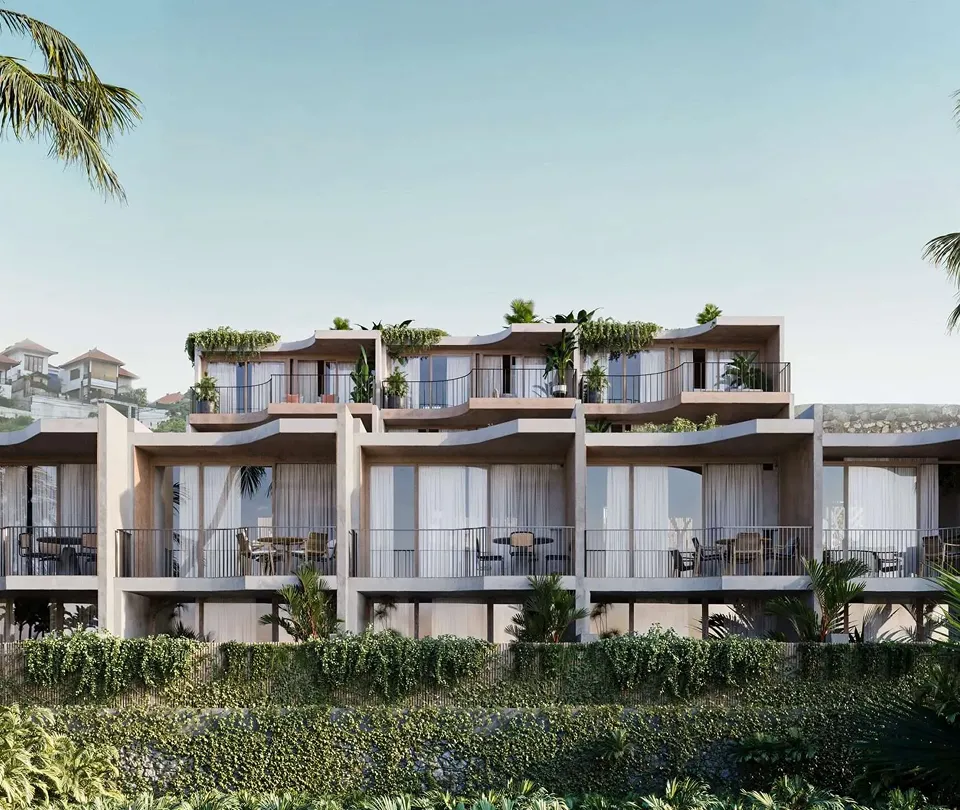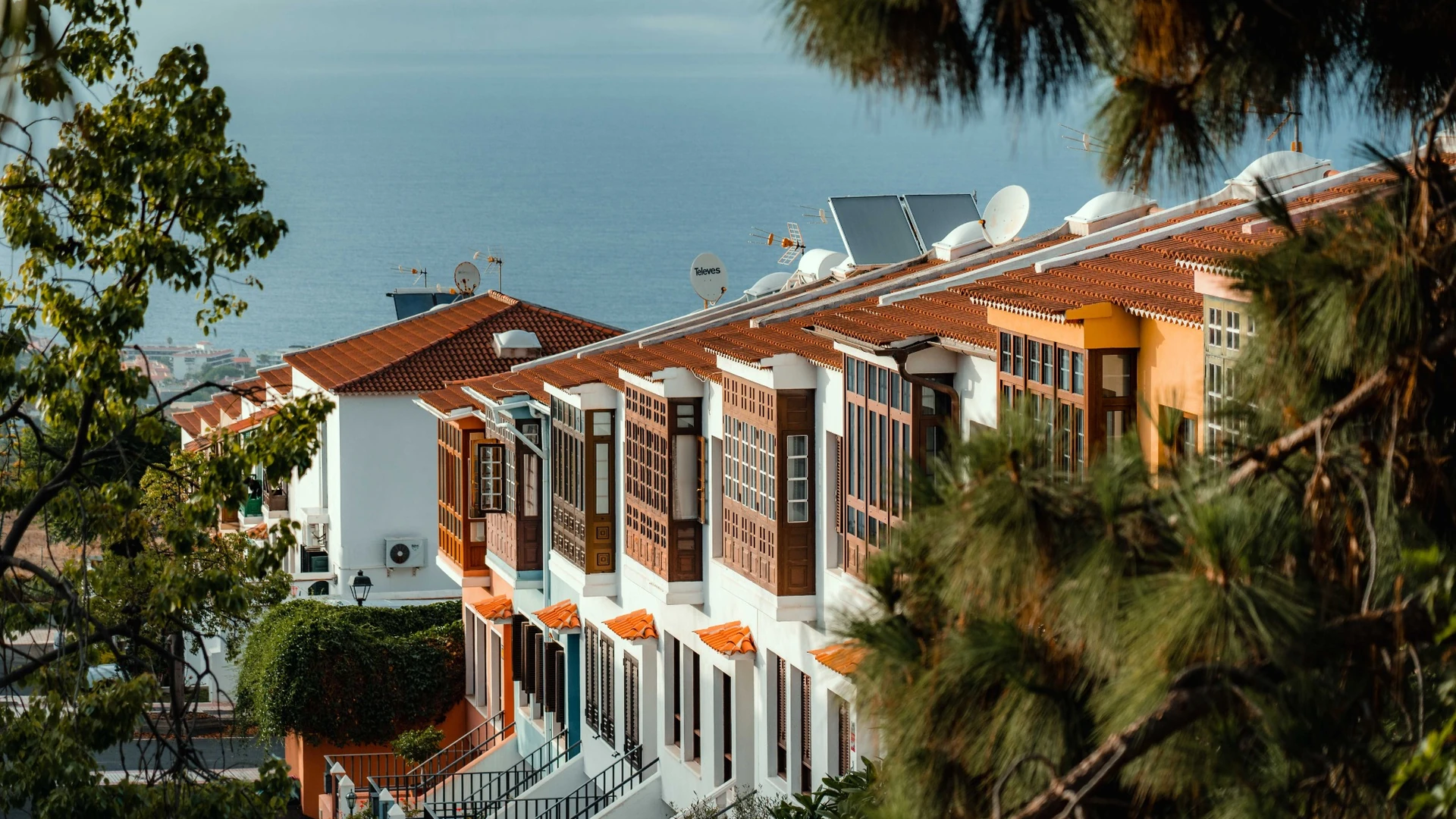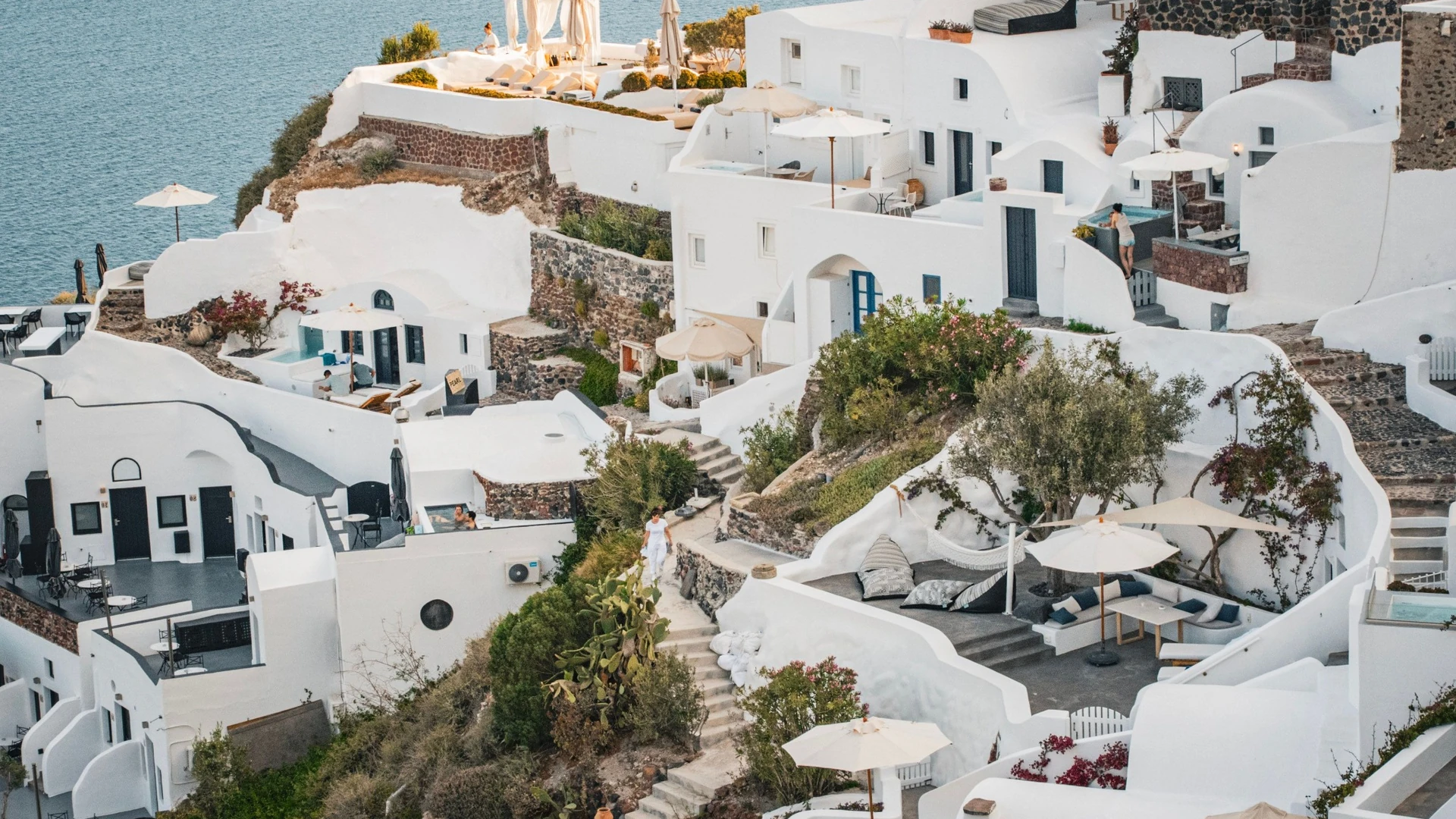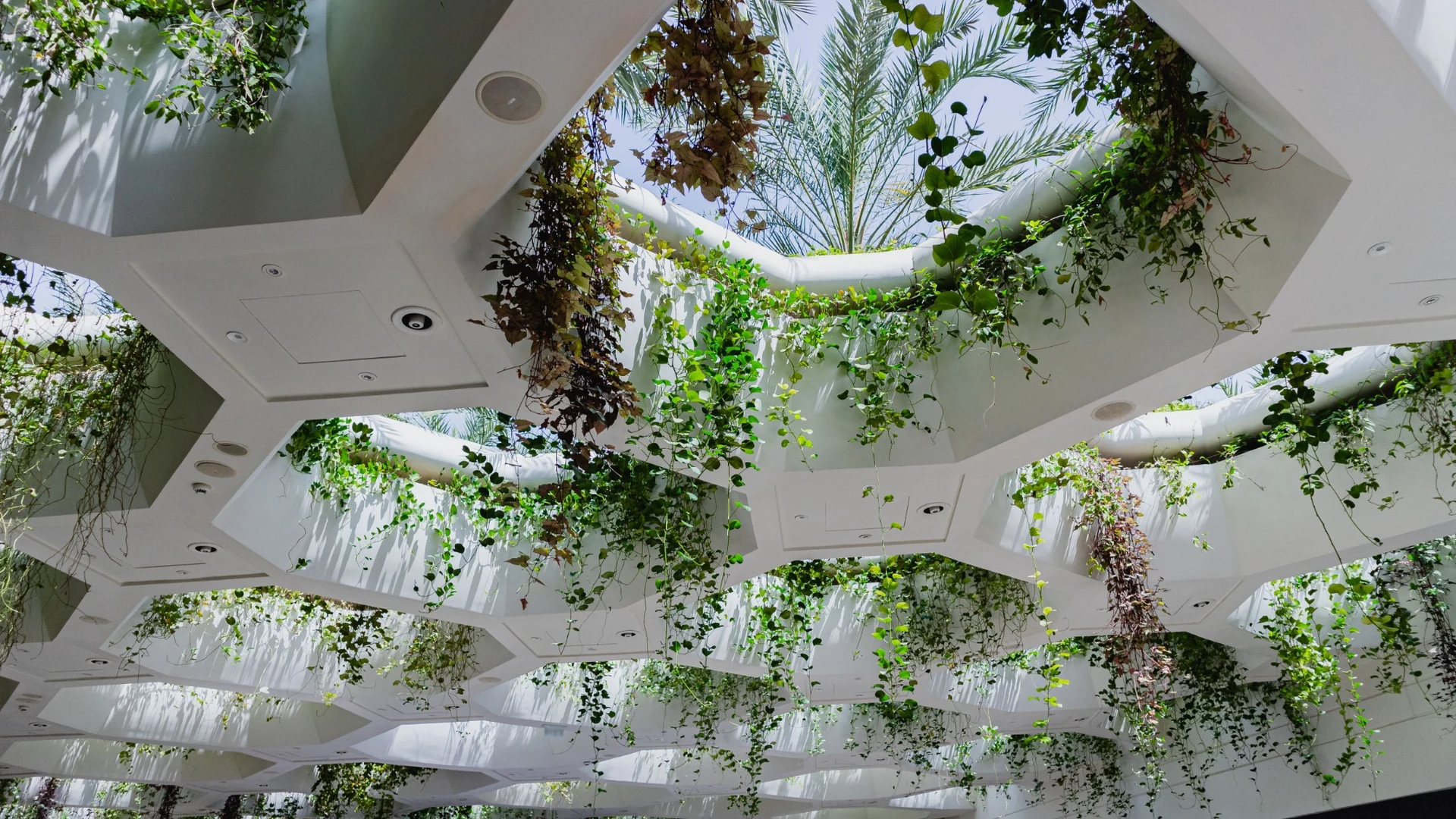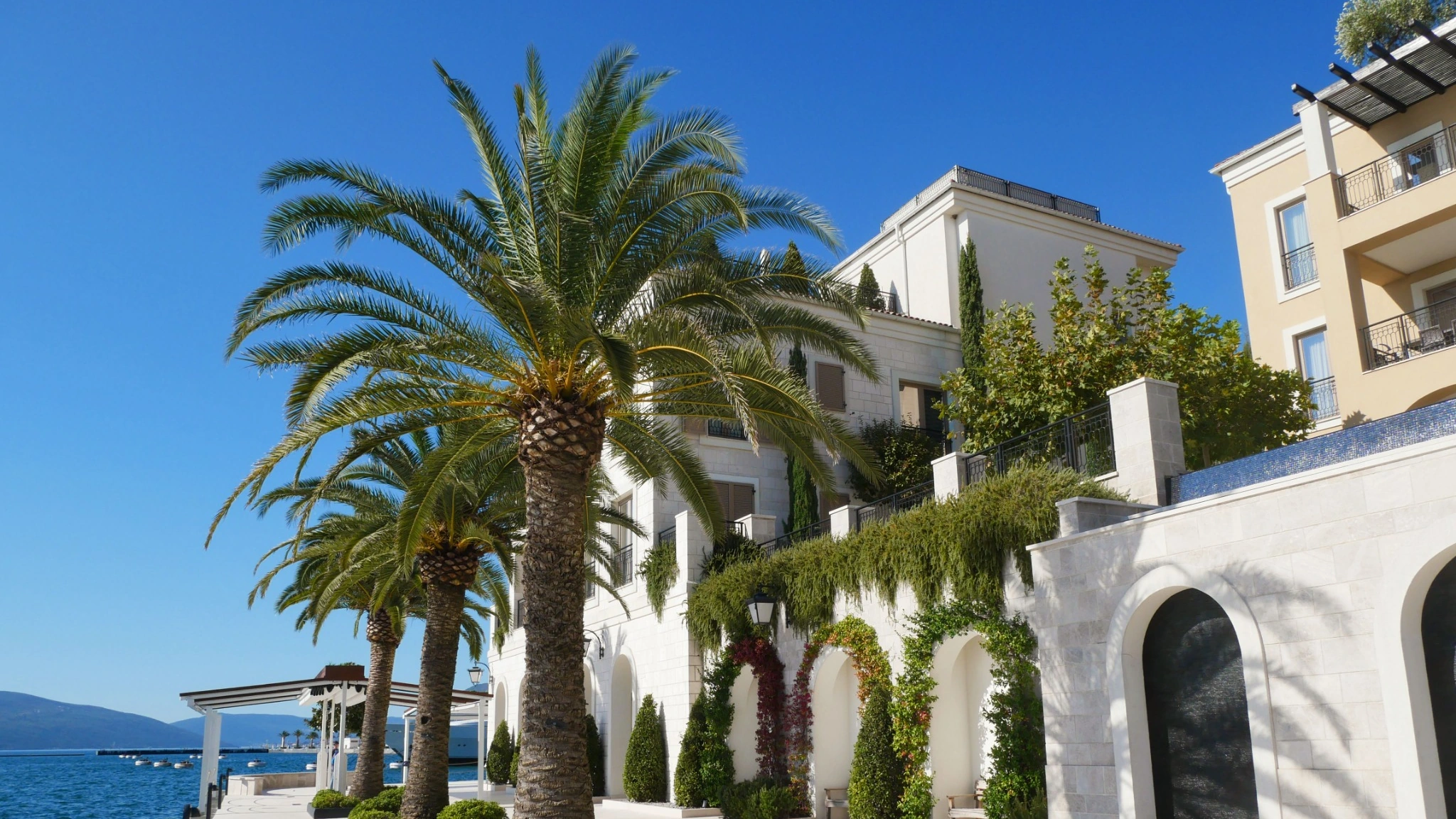
The Mediterranean is often referred to as the cradle of civilization, with its earliest settlements dating back to 9000 BC. Over the years, the region has become home to the world’s biggest civilizations. Its people made great strides in mathematics, science, and medicine. Based on the revival of Mediterranean-style villas during the 20th century, their contribution to architecture cannot be forgotten either.
Today, these homes—characterized by their seamless blend between indoor and outdoor living, use of natural materials, and glorious arched structures and columns— have come to be associated with luxury, glamour, and the finer things in life.
At WHITEROCK, we integrate Mediterranean elements and modern designs to create properties that evoke similar feelings of grandeur, tranquility, and wonder. Curious about what makes a villa Mediterranean? Here’s what you need to know.
Mediterranean Villa Design: What’s Common?
Several countries border the Mediterranean coast, each known for its distinct architectural style. Today, what we refer to as Mediterranean style architecture actually borrow elements from countries like Spain, Portugal, Italy, Greece, Montenegro, France, Morocco, Turkey, and more.
Early examples of a Mediterranean villa design were built with natural materials available at the time such as clay, stucco, and terracotta—and had white walls to reflect heat. The homes were also designed to suit the warmer climates in the region.
Fast forward to the early 1900s and Mediterranean design had started growing in prominence on the other side of the Atlantic as well. As a result, America’s influence became apparent, leaving us with several variations on what we understand as a Mediterranean-style villa today.
Some of these styles don’t have their roots in the region at all, others seamlessly incorporate modern amenities like hot tubs or sliding doors. But for a more specific idea of Mediterranean villa styles, here are the most common variations in history:
Italian Renaissance
Probably the most recognizable and grandest of all Mediterranean villas, 15th and 16th-century Italian Renaissance structures are known for their sprawling grounds, incredible fountain displays, ornate garden sculptures, and distinctive arches and columns. While some of these elements have made their way into modern homes, Italian Renaissance villas were once reserved for the world’s richest.
Spanish Colonial
This variation became popular in the 18th century once Spanish settlers had established colonies over large parts of the Americas. Considering the climate was about as warm as it was in the Mediterranean, the Mediterranean architectural style took hold. These homes are characterized by elements—such as large central courtyards—that make them cool in the summer.
Spanish Revival
A hundred years later, the colonial style made a comeback—especially in the U.S. between 1920 and 1940. Spanish Colonial Revival villas are characterized by carved wooden doors and clay tile roofs, reminiscent of the earliest Spanish missions in the region. Simultaneously, the Spanish Eclectic movement drew from the country’s architecture in Europe, creating an even more distinct aesthetic.
Californian-Mediterranean
Another popular variation of Mediterranean-style villas wasn’t born in Europe at all. The Californian Mediterranean style has mixed origins and inspirations. This style draws from early Spanish missions, American craftsmen, Spanish baroque, New Mexican pueblos, and more. The villas were mostly built between 1915 and 1930, although their influence is visible to this day. They retain many of the same elements as the Spanish Revivalists but are more ornate and detailed than colonial villas.
Modern Mediterranean
Modern Mediterranean villas as we know them borrow the best of these styles, creating the most glamorous and iconic homes in the world. These properties feature seamless transitions between indoor and outdoor spaces, massive kitchens, open floor plans, and distinctive arches, tiles, and columns.
Now this, of course, is not an exhaustive list. Modern variations of Mediterranean-style villas also include touches of French and Greek architecture, as well as Tuscany, Morocco, and—incredibly—Florida-inspired elements.
At WHITEROCK, we consider this blend of contemporary design and Mediterranean heritage the most prominent architectural style of the future. That’s why we draw inspiration from many of these variations when crafting our modern designs.
Characteristics of Mediterranean Villas
So, what makes a Mediterranean style villa? Given that there’s so much history to borrow from, and so many influences over the centuries, it’s hard to say for sure.
Still, there are some tell-tale signs:
- Natural Materials: Modern mediterranean villas are known for rustic wood, rattan furniture, and the use of stone for floors and outdoor areas. This doesn’t just create more aesthetically pleasing spaces, but also more durable homes.
- Tile Roofs: Mediterranean-style villas are most easily identifiable by their reddish-brown clay or terracotta roofs, which in some cases, are known to last for up to 100 years while being flame and sun retardant.
- Ocean-inspired paint and decor: The colors of many villas are inspired by the earth and sea. Olive green, earthy browns, and distinct Grecian blues are all reminiscent of the Mediterranean.
- Archways: Arches have been a distinct feature of Mediterranean architecture since the Greco-Roman civilizations. Today, it’s common to see villas with grand arched entrances, or windows.
- Stucco walls: Stucco is a blend of sand, cement, lime, water, and plaster wall coverings distinctive of Mediterranean-style villas. This material is known for keeping homes cool in the day and warm at night.
- Decorative tiles: It’s typical to see walls marked by patterned tiles in kitchens and bathrooms. These geometric or floral designs add a splash of color and are distinctive of Mediterranean villas.
- Symmetrical Facades: The exterior of most Mediterranean-style villas is usually marked by clean lines and large entranceways flanked by wrought iron balconies and window panes.
- Open layouts: All furniture, appliances, and layouts are designed to offer maximum air and light, making Mediterranean villas ideal for hosting gatherings and parties.
- Outdoor spaces: One of the defining characteristics of a Mediterranean villa is it almost always has an outdoor area, such as a balcony, terrace, or porch. These outdoor spaces generally incorporate natural materials and foliage with glass doors and large windows, usually with sufficient seating.
While these are the general styles associated with Mediterranean villas, designers are allowed a lot of creativity when selecting furniture, decor, or even ceiling frescos, depending on the client’s requirements.
The WHITEROCK studio team, for example, blends modern innovations with traditional elements to create designs that enhance heritage homes. We also leverage advanced 3D technologies to offer clients a range of high-quality designs to choose from.
Mediterranean-Style Villa Homes Today
For those dreaming of timeless elegance, mediterranean villa style homes remain one of the most desirable choices in modern architecture. These residences capture the essence of old-world charm while offering layouts that suit contemporary living. With their open courtyards, tiled roofs, and grand archways, they create a perfect balance between tradition and comfort. Architects and homeowners alike often turn to Mediterranean style house plans to bring this vision to life, blending history, culture, and functionality into designs that stand out for both beauty and practicality.
How To Build a Mediterranean Villa
Mediterranean homes were once extremely exclusive, available only to the aristocrats and wealthy families who could afford large interior gardens, intricate decor, and sprawling interiors. The modern revival of this style also began with similar luxuries but was more widely available. In fact, modern Mediterranean homes have evolved into what we would almost call resort-style properties—with jacuzzis, grand fountains, or rooftop infinity pools.
Having said that, incorporating these elements into your own villa is no easy task. It requires a lot of planning, expert knowledge, and advanced tools.
This is where WHITEROCK comes in. Our Mediterranean-inspired spaces embody elegance and sophistication while ensuring that form meets function in the best possible way. We draw from centuries of architectural trends and modern solutions to create designs reminiscent of classic Mediterranean architecture.
Take a look at our projects in greater detail or reach out to us with any questions you may have. We look forward to helping you with your next big project.
Frequently Asked Questions About Mediterranean Villas
What defines a Mediterranean-style villa?
The Mediterranean villa design is characterized by natural materials, like terracotta or clay tile roofs. Stucco walls, arched doorways, open floor plans, and strong indoor–outdoor integration are also used.
Why are Mediterranean villas often painted white?
There’s a smart reasoning behind it. White paint reflects heat, helping homes stay cool in warm climates. This makes them more comfortable during the sunny days.