In our increasingly tech-driven world, metals, glass, and LEDs have become common elements in home and building interiors. While they serve their purpose and add a modern touch to designs, there is a growing demand for more natural and sustainable aesthetics.
The emergence and popularity of biophilic design is one example of this demand. WHITEROCK masterfully incorporates this design philosophy into our architectural projects based on client preferences. We collaborate with them to exceed their expectations.
But what exactly is biophilic design?
It is a design concept in the building industry that involves harmoniously integrating natural elements and conditions into a building’s design. This principle provides occupants with a sense of connection to nature even when they are in an urban or high-density residential area.
How It Began
The biophilia hypothesis was first introduced by Edward O. Wilson in 1984. According to him, biophilia is the innate affinity of humans with other forms of life. It suggested an undeniable link between humans and their natural environment. From there, his ideas extended to the realm of design, including their benefits to human health and wellness.
What started as a concept of biological and environmental science has evolved into strategic environmental design that has many benefits for humans. It eventually made its way into mainstream architecture and interior design.
Benefits of Biophilic Design
Green space brings a range of benefits, elevating not just design but the quality of life of those exposed to it.
Therapeutic to an Ailing Body
Studies show that active engagement with natural outdoor environments improves individuals’ health and wellness. Nature-based activities—such as walking in parks, tending gardens, and trekking or hiking—help mitigate the majority of ailments in various ways. It helps boost the immune system, brain and heart function, sleep, etc. This is why more hospitals and rehabilitation centers are incorporating nature into their spaces.
A study reported that 92% of patients who actively engaged with nature enjoyed health improvements.
Improves Mental Health
The same study demonstrated a 98% boost in mental health outcomes. Nature, as a source of inspiration and healing, plays an important role in keeping people grounded and helping them combat intrusive thoughts. It brings positive changes to the body and mind while improving mental and cognitive health by reducing stress and anxiety.
Better mood and cognitive function brought about by exposure to nature also impact bodily functions. When these aspects of human health improve, so does their quality of life.
Enhances Energy Efficiency
Having large windows and seamless indoor-outdoor transitions lets in abundant natural light and ventilation. In locations with temperate climates and mild seasons, this aspect of biophilic interior design can greatly reduce the load on lighting, heating, and cooling systems.
This trend has led to several green initiatives in construction and design.
Elevates the Design
Recreating nature and integrating it into cities and buildings has positively affected people. Biophilic’s advantages have led to its growing popularity, with more homeowners adopting the design philosophy in their spaces.
Nature-inspired homes create welcoming, relaxing, and reinvigorating atmospheres. They also reflect design mastery as they blend the raw with the refined in harmonious, fluid ways that don’t feel contrived or forced.
Design Principles That Define Biophilic Design
What constitutes a biophilic design?
Repetition
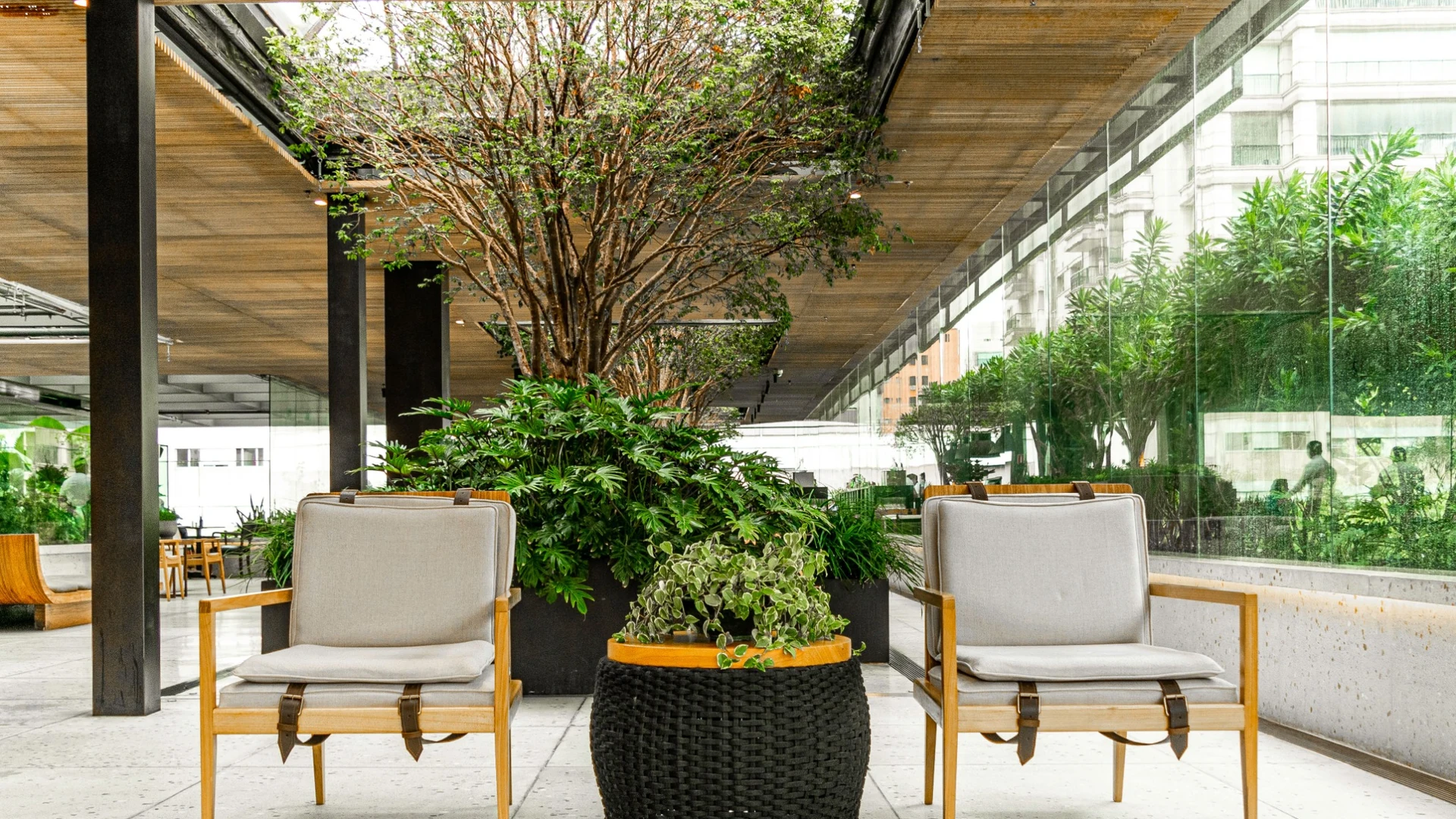
Biophilic design is more than adding a plant in one corner of your home or office. It has to be repetitive and continuous so it doesn’t feel disconnected. For example, patches of green can be added along pathways, patios, living rooms, kitchens, bathrooms, and bedrooms. The idea is to place them in such a way that occupants can see and interact with them in their daily lives.
Overall, biophilic design entails the creation of nature-based environments that are nurturing, calming, rejuvenating, and inspiring. At WHITEROCK, we model natural environments and recreate them to enhance living experiences.
Adaptation
Another strategy is using patterns, experiences, and materials to mimic nature. For example, greens planted in the soil create an opportunity for humans to connect with them in ways that feel natural.
Dusting off a plastic plant generally does not feel as intuitive and restorative compared to seeing a plant you care for flourish.
Emotional Attachment
Biophilic design encourages an emotional attachment to a particular space. Having green spaces at home can build positive associations so coming home or spending time at home becomes a pleasant experience.
In the real estate industry, this is one of the main reasons why a person chooses to buy or rent property. Having an actual or real-life simulation of a property enables the viewer to experience it in a way that resonates with them.
Positive Interaction
Among nature’s many benefits, our ability to interact with it is among the best advantages. When we commune with nature regularly, it enables us to give and receive from the experience. Seeing it around us boosts our well-being whether we’re sowing, reaping, playing with pets, basking in the sun, or forest bathing.
There is a sense of relationship and responsibility that allows us to thrive in natural environments. As an architectural company that understands this relationship, our biophilic designs reinforce nature-inspired connections even if the property is surrounded by concrete roads, industrial facilities, and skyscrapers.
Tips for Aesthetically Integrating Nature in the Home
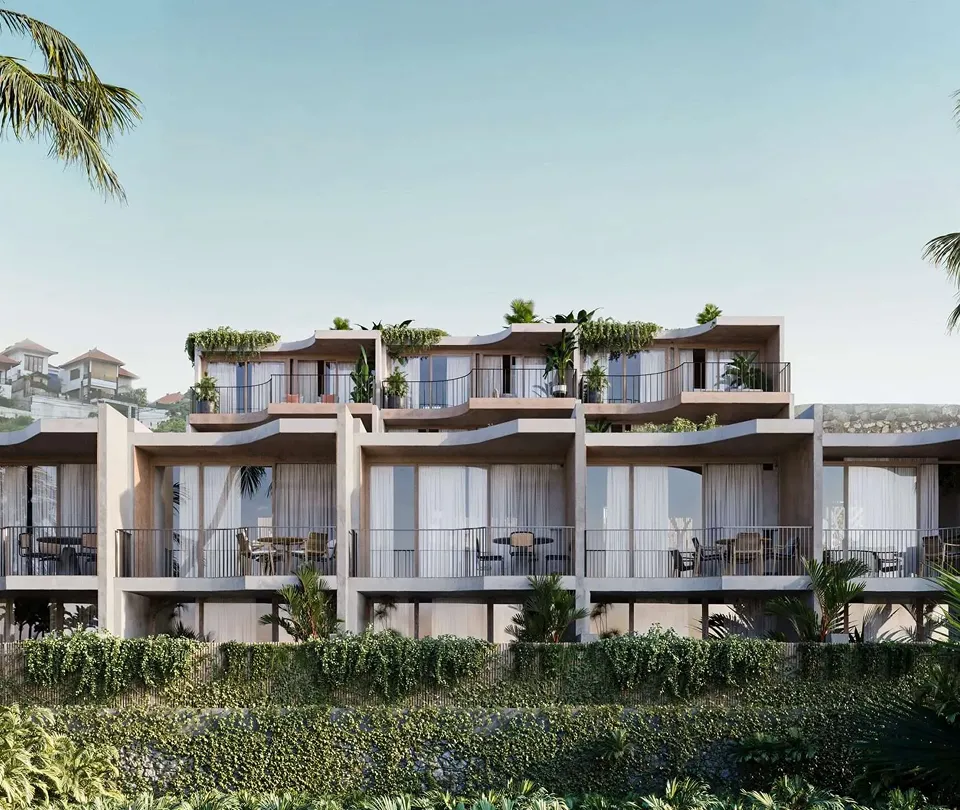
Our timeless and bespoke architectural designs align well with the principles of biophilic design. We create spaces that brighten the atmosphere, boost the mood, support health and wellness, integrate nature, and create positive experiences.
Our Mediterranean-inspired designs reflect the essence of biophilic design. If you’re exploring this design concept and are looking to get started, here are some tips to consider:
Natural Light and Ventilation
The first step is to ensure the house has proper ventilation and ample natural light through skylights, large windows, and thoughtful orientation. An open floor plan allows sunlight to flow freely, creating a stronger connection between indoor and outdoor spaces. Make it a point not to block views and openings in your space so natural light and air can flow in.
Our design team creates large windows, skylights, glass walls, and indoor-outdoor transitions that help achieve this.
Organic Materials
Organic materials such as wood, stone, clay, and plants instantly create an earthy and inviting vibe. They also add an interesting touch especially when they are curated and combined with modern decor pieces.
Using plants like bamboo, air-purifying foliage, and lush wildflowers also has insulating and cooling effects. Incorporating them in your home mimics natural environments and helps improve mental and physical well-being.
Patches of Greens
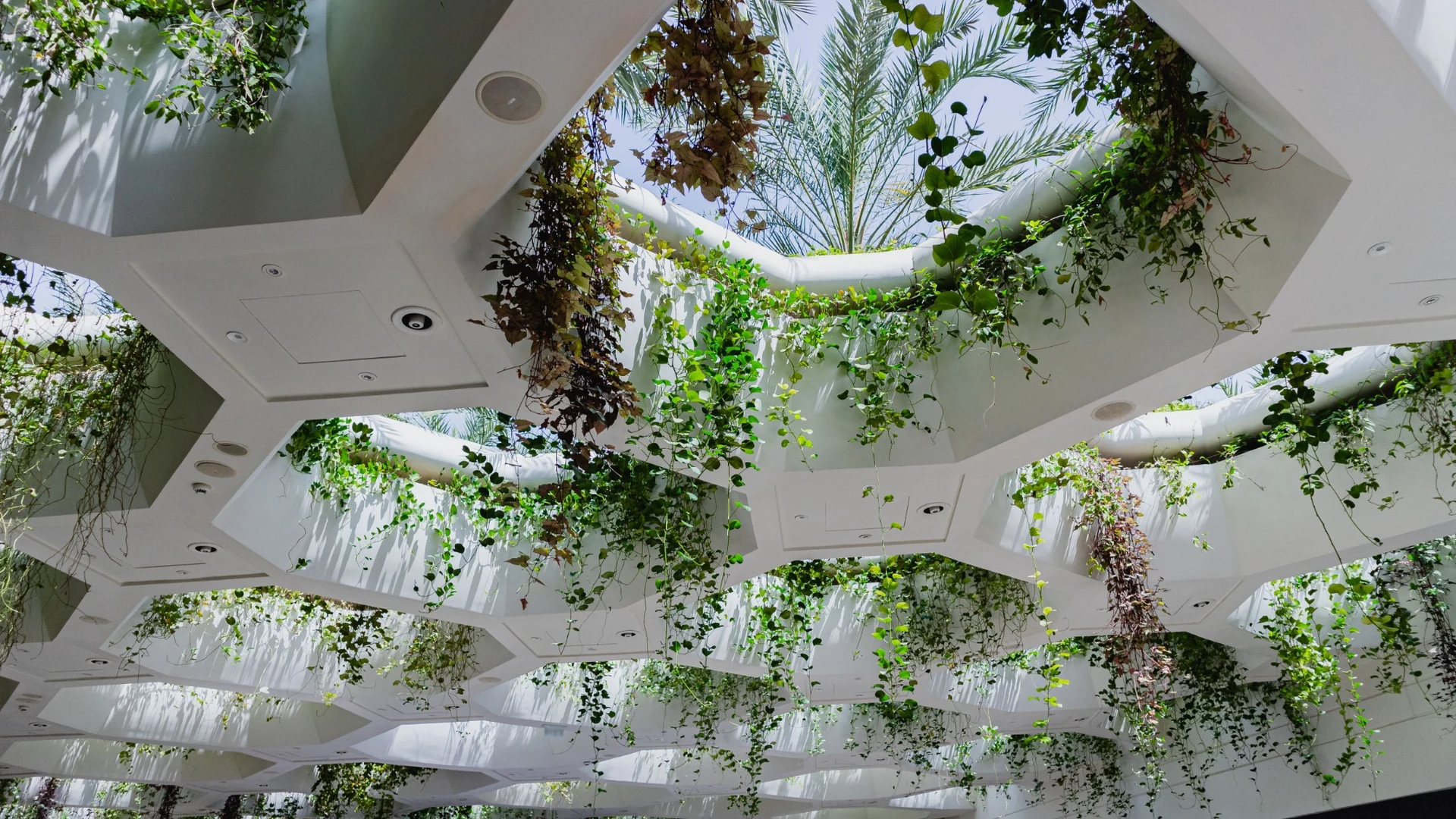
Adding greenery to your space—from gardens and patios to interior spaces—not only provides aesthetic appeal but also enhances air quality. Our landscape artists and interior designers incorporate splashes of greens that don’t look or feel staged. We make them blend seamlessly with the rest of the design whether it’s an herb garden, garden wall, or potted indoor plants.
Outdoor Space Sanctuary
If you have an outdoor space, you can treat it like your personal sanctuary, a place where you can relax and get some sun without leaving your home. Create pocket gardens, water features like a koi pond, or add a bird feeder to recreate natural settings in your home.
Exploring Biophilic Design Architecture
For those still wondering what is biophilic design, it can be best understood as a philosophy that goes beyond simple decoration to create a genuine connection with nature. Biophilic design architecture integrates natural light, organic materials, greenery, and water elements into spaces to promote well-being and harmony. By blending these features seamlessly into modern buildings, architects and homeowners can enjoy healthier environments that reduce stress, improve productivity, and inspire creativity. This approach highlights that biophilic design is not just an aesthetic choice but a lifestyle strategy that fosters stronger relationships between people and the natural world.
Enhance Living Experiences With WHITEROCK’s Biophilic Designs
Whether it’s a city, office building, hospital, school, or home, our environment plays a key role in our quality of life. Nature-inspired designs encourage relaxation, creativity, and rejuvenation.
Let WHITEROCK’s nature-inspired designs create positive experiences in your everyday life. Contact us today for biophilic design possibilities that enhance your lifestyle.