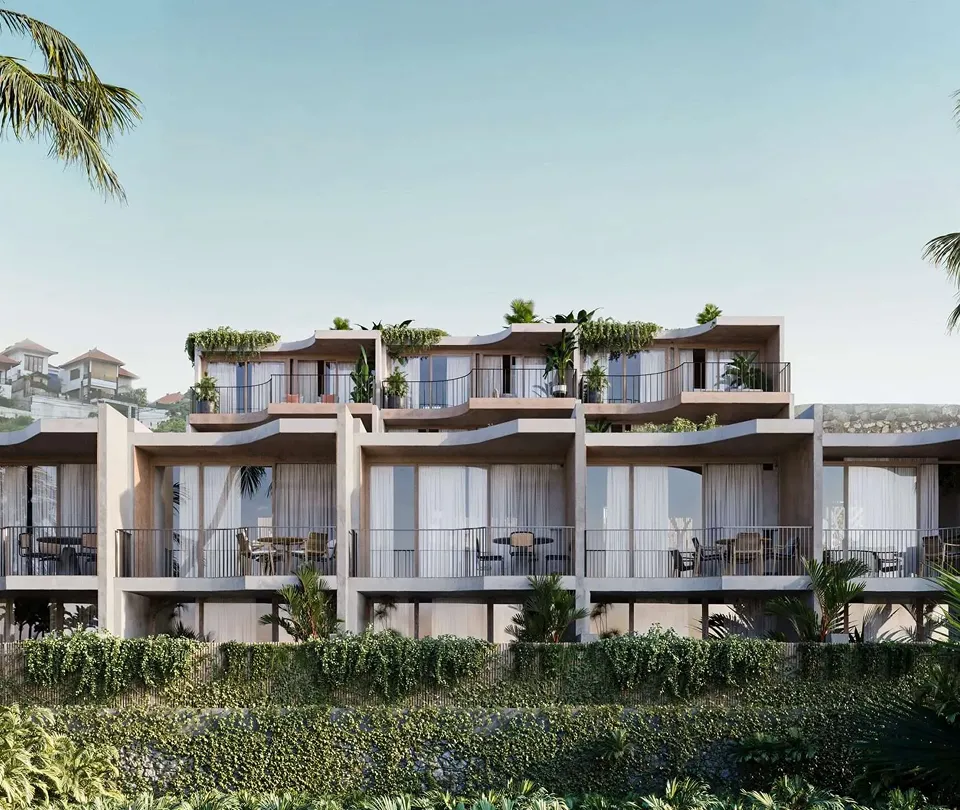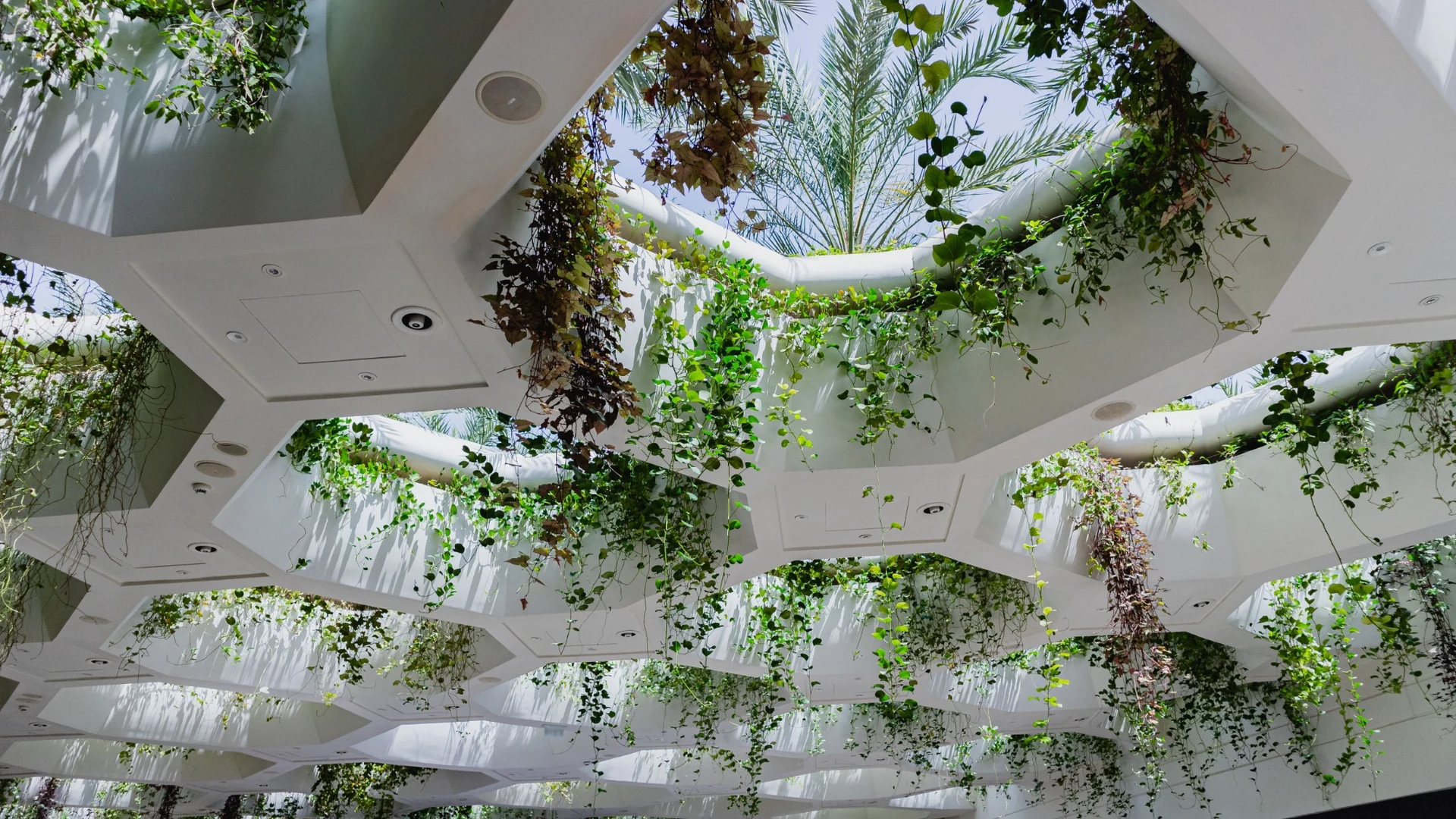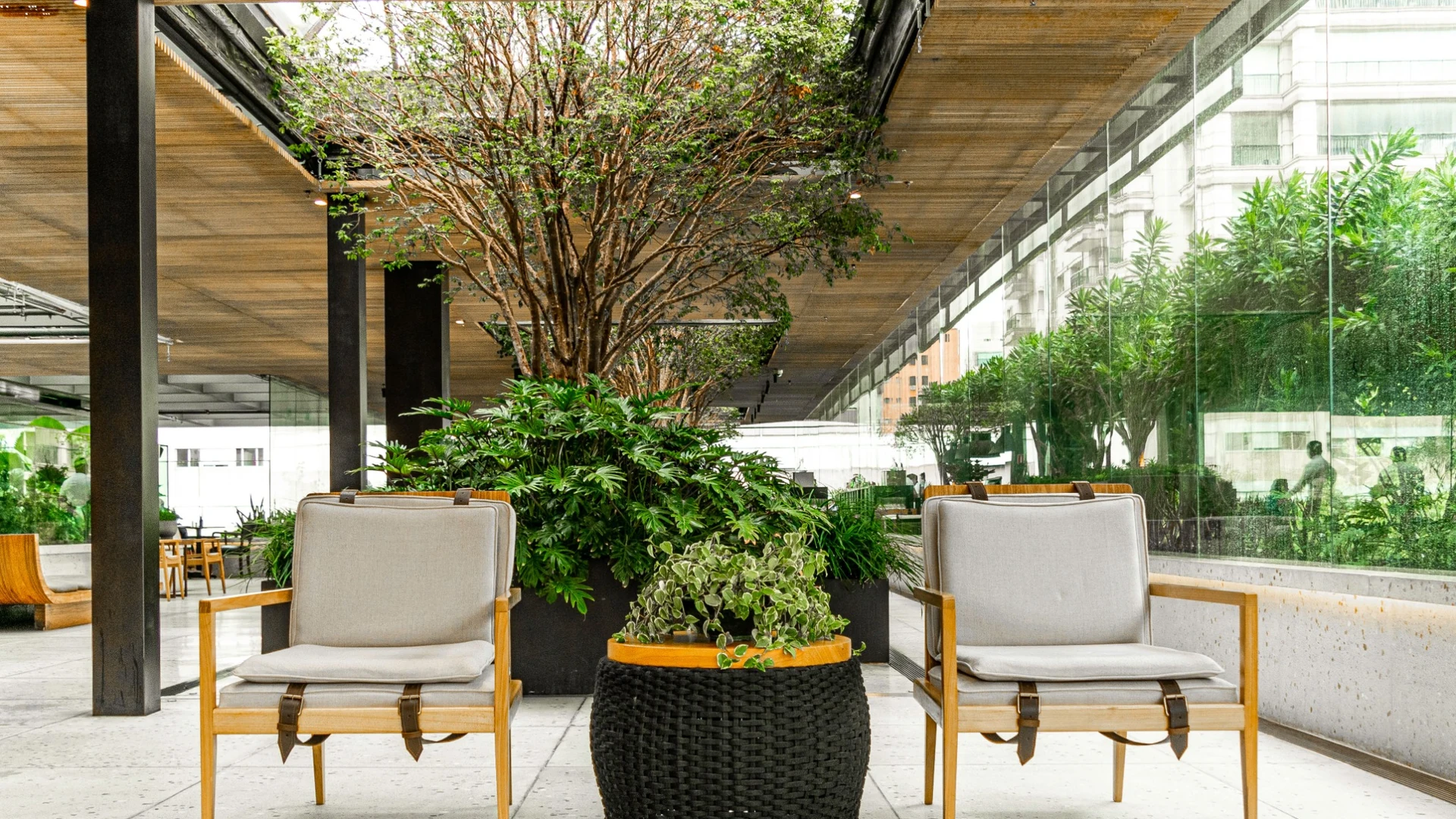
In 2010, social media feeds confirmed that houseplants were one of the biggest interior trends of the decade. Then, in 2020, COVID came along and homeowners took the trend a step further, paving the way for interior gardens.
The benefits of this kind of interiorscaping are evident. Introducing a green patch to an otherwise dull space improves air quality, reduces energy use, and adds aesthetic value.
Having said that, not every space is suited for an indoor garden, with many structures lacking sunlight and other conditions that allow plants to thrive.
At WHITEROCK, our team of expert architects and designers have spent years mastering the principles of biophilic design. In this article, we’ll answer some crucial questions about interior gardens: Are they the next big thing or a passing fad? And, more crucially, are they architecturally sound? Here’s what you need to know
Are Interior Gardens Worth It?
From DIY wall gardens to the Singapore airport’s massive botanical park, there are many examples of breathtaking interior gardens. The trend has also been historically adopted by Japanese, Scandinavian, and Mediterranean architects and design experts.
Homes and gardens aren’t just worth it—they’re also a crucial trend shaping the future. As urban populations rise, climates change more quickly, and air quality deteriorates, these green spaces offer much-needed respite. In fact, smart gardens—which allow homeowners to grow vegetables, fruits, and herbs indoors—are expected to be widely adopted by the end of the century.
If you have the space at home or are renovating an office, an interior garden gives you access to what humans are increasingly seeing less of—nature. To lessen the impact of screens and LEDs, homeowners can install vertical gardens on a wall, convert balconies into green patches, or even add a touch of freshness to their bathrooms.
And that’s just the beginning. On the other end of the spectrum, we’ve also seen massive greenhouses, zen rock gardens, and even hydroponic-based horticulture setups where people grow food inside man-made structures.
Advantages of Interior Gardens
As you’d imagine, there are many benefits to growing a garden inside—factors that you should definitely consider during your next big project or renovation.
Improved Air Quality
In many parts of the world, indoor air quality has suffered. This is because dangerous toxins—like benzene and formaldehyde— attach themselves to fittings, wall paint, clothing, and more.
In such cases, an indoor garden is a literal breath of fresh air. These spaces are known to significantly boost the air quality indoors, injecting the atmosphere with a stream of oxygen while absorbing toxic contaminants like carbon dioxide.
Noise Control
Our towns and cities are becoming more urban. Over the decades, parks and gardens have been sacrificed for malls and highways, making it even harder to find a peaceful haven away from the noise. One benefit of having indoor plants that isn’t mentioned much is they are exceptionally effective at blocking sound.
And we aren’t just referring to traffic noise from outside. It’s also important to consider the noise from printers and HVAC systems of office spaces as well as various appliances and fittings in homes.
Improved Mental and Physical Health
Over the years, many studies have proven what most of us already suspected: Plants actively improve mental health outcomes. It’s also been scientifically established that plants improve our productivity, making us sharper and more attentive.
Moreover, they reduce stress levels by lowering the cortisol hormone in our bodies. One study even found that patients who had been hospitalized recovered faster when they were around plants. Meanwhile, tending to a home garden has obvious health benefits since the activity keeps us on our feet longer.
Aesthetic Beauty
The concept of interior gardens has captured the human imagination for millennia. Five thousand years ago, ancient Egyptians and Sumerians were the first to bring plants into their homes. The concept has only become more popular since. As the Greek and Roman empires came into power, indoor plants became a common sight. Even today, plants and nature-inspired elements remain a staple of Mediterranean design.
As a result, they adapt well to almost all Mediterranean interior design elements—including natural stone, carved wood, and terracotta tiles. At WHITEROCK, we follow similar design principles. Our creations blend the timeless charm of Mediterranean design with the innovative spirit of modern architecture, creating spaces that soothe, inspire, and delight.
Drawbacks of Interior Gardens
The glaring disadvantage of installing an interior garden inside your home, hotel, or office space is, of course, maintenance. Plants are living breathing organisms so withholding the required care can be bad for them and your home.
While it’s rare, many indoor gardens that aren’t adequately maintained attract pests and bugs. Many others succumb to diseases and don’t survive.
Some indoor gardens suffer from serious soil drainage issues. Coupled with a lack of sufficient ventilation and sunlight, this makes the garden exceptionally damp, significantly raising the humidity in an indoor space.
Expert’s Guide To Interior Gardens
Fortunately, many of these issues can be avoided by having experts onboard. The WHITEROCK team regularly creates detailed 3D models and sophisticated drawings of concept, architectural, interior, and landscape designs. Here are some of our recommendations when interiorscaping a garden.
Draining Soil and Damp Proofing
Draining plants is as important as watering them. All indoor potted plants have holes at the bottom to let the water seep through. For an interior garden, however, you may need something a little more advanced.
A built-in drainage system combined with a collection system is one of the most secure ways to ensure your house doesn’t get damp. Damp-proofing techniques often used in basements, like waterproofing floors or adding a layer of waterproof paint, also go a long way in protecting the rest of your furnishings from water issues.
Temperature and Humidity
At the same time, humidity is an important condition for an indoor garden to grow. Many plants require about 50% humidity or higher to thrive. However, most homes in colder climates can have only about 10% humidity in their homes. A humidifier or misting mechanism can give your plants the wet air they sorely need.
Similarly, plants grow well in certain temperature ranges (from 18 to 24 degrees Celsius). HVAC systems are crucial for maintaining this temperature.
Natural Light
Even indoor plants need sufficient natural light to survive. Many plants kept in the dark for too long start to wilt or change color. While artificial LEDs help to some extent, an interior garden grows best and has the most positive impact on your health when it is coupled with natural light. Interiors with large floor-to-ceiling windows, glorious arched windows, or skylights allow Mediterranean-style gardens to shine.
Scale and Design Elements
For an interior garden to elevate a space, it must fit well within it. This means plants should be proportionate to the size of the room, while textures, colors, and shapes should work together seamlessly to bring balance. Some designers start with a designated focal point that other elements can be built around. Others add elements over time to offer a more cohesive design.
Exploring Interior Tropical Gardens and Indoor Garden Systems
For homeowners and designers who want to take interiorscaping one step further, interior tropical gardens are an inspiring choice. These lush spaces bring exotic greenery indoors, adding both vibrancy and tranquility to modern living. To make them practical and sustainable, many people now rely on an indoor garden system, which combines lighting, irrigation, and humidity control to ensure plants thrive year-round. Together, these solutions merge beauty with functionality, transforming any space into a refreshing sanctuary that balances design with nature.
The Verdict
Interior gardens are a popular design trend—and for good reason. The benefits they bring to your home go beyond aesthetics. They are also better for our health and senses. Reach out to the WHITEROCK team to discover how you can enjoy these benefits. Together, let’s add colorful touches of green to your next big project.