For thousands of years, the Mediterranean coast has been home to some of the world’s most iconic buildings. From the Acropolis to the Colosseum, the architecture of the region has left an indelible mark on the world. Over generations, this influence has spread across countries—from Egypt to the U.S.
Of the long list, Montenegro architecture has proven to be a particularly fascinating example. This is not just because of its rich and varied Mediterranean influences, but also because of how well it blends old and new.
At WHITEROCK, we don’t just admire this architectural heritage—we bring it to life for our clients. Our bespoke designs capture the essence of Montenegro’s timeless beauty while incorporating the modern amenities you desire for your dream home.
Wondering how a Montenegro-inspired home could transform your lifestyle? In this guide, we’ll take you through the history of the region, major influences, and stunning examples that could inspire your next custom residence.
Brief History of Montenegro
The land now called Montenegro carries a past stretching back a millennium, first noted by Greek observers as belonging to the Illyrian domain. Over the centuries, shifting powers shaped its landscape. The Romans governed vast portions, imprinting their influence before the region saw waves of Slavic settlers during the early medieval era.
Montenegro, at different points, fell under the sway of the Ottomans while the Republic of Venice left its own imprint on the land. Boundaries shifted, rulers changed, and for a time, it was folded into Yugoslavia. Only in 2006 did it stand alone as a nation, yet its past lingers—woven into its streets, its skyline, and the blend of cultures that still shape it.
Styles That Influence Montenegro Architecture
From France to Italy, many Mediterranean countries have influenced what we consider architectural buildings in Montenegro today.
When exploring Montenegro traditional architecture, it becomes clear how deeply history and lifestyle have shaped the country’s residential designs. From stone farmhouses in the mountains to coastal villas with red-tiled roofs, these homes reflect both functionality and aesthetic harmony with nature.
Montenegrin architecture is built with natural materials such as stone and wood, often featuring arched entrances, small courtyards, and terraces that take advantage of the Mediterranean climate. This blend of practicality and artistry continues to inspire modern architects, making traditional Montenegrin homes a timeless source of cultural pride and architectural elegance. Some of the major styles include:
Baroque
Emerging in 16th-century Italy, Baroque architecture swept across Europe and the Mediterranean, embracing grandeur at every turn. Lavish materials, striking colors, and monumental sculptures became its signature, transforming spaces into theatrical displays of artistry and opulence. Montenegro, too, bears its imprint, with bell towers rising above cathedrals and symmetrical designs gracing its historic streets, echoing the style’s rich and theatrical spirit.
Imagine bringing this sense of drama and elegance to your own home. WHITEROCK can help you incorporate Baroque elements that create a sense of grandeur without overwhelming your living space.
Gothic
During the late Middle Ages, the Gothic influence was unmistakable across Montenegro. The style, which originated in France in the 12th century, quickly spread across the continent, remaining popular well into the 16th century.
Gothic architecture features vertical lines, pointed arches, stained glass windows, flying buttresses, and more. One of the most prominent examples is the Notre Dame in Paris, however, similar buildings exist all over the world.
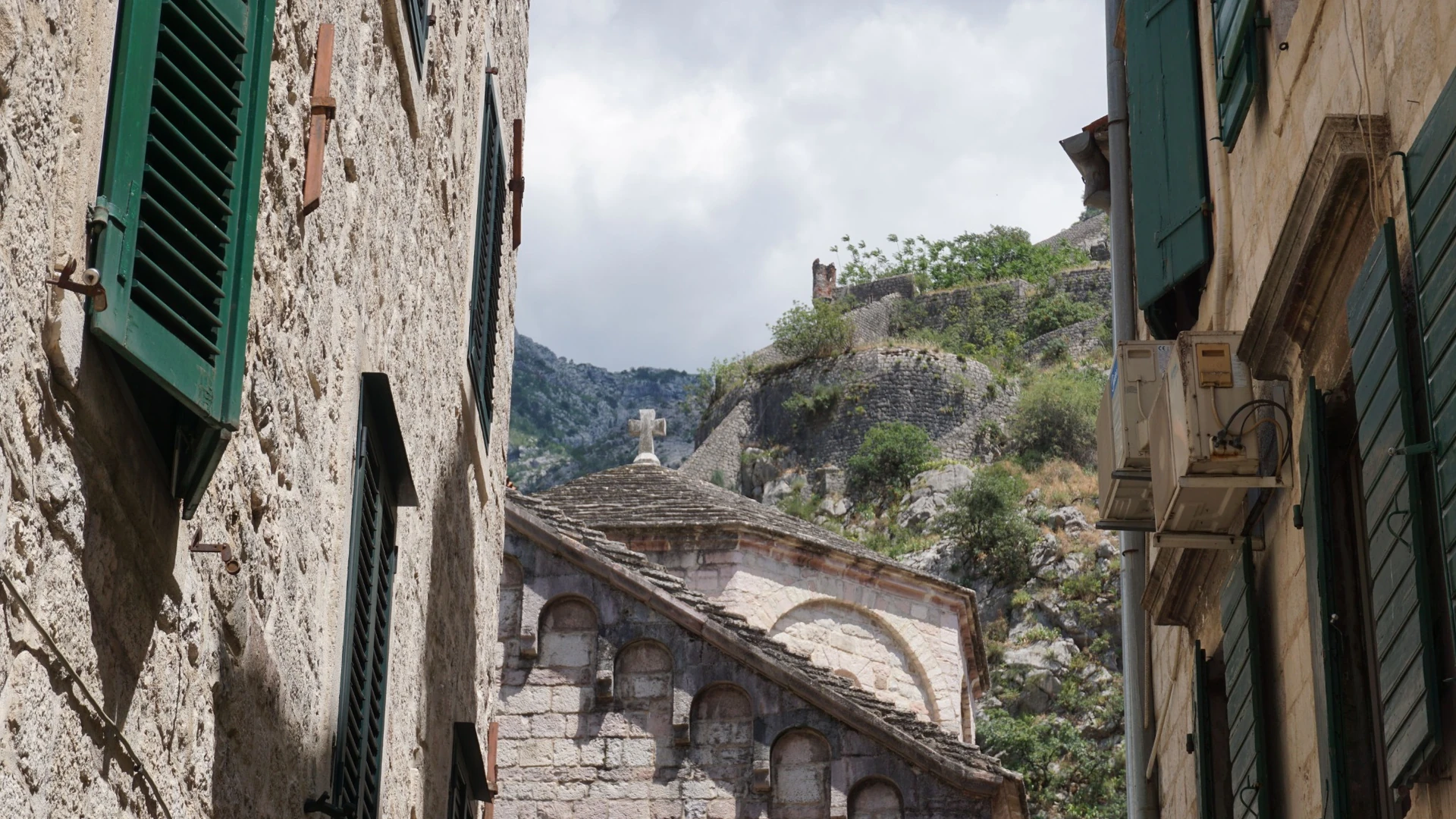
In Montenegro, examples of Gothic architecture are widespread—especially in the churches and palaces that line the streets of Kotor. Many of these structures have massive windows, decorative columns, and figures of lions.
For homeowners seeking to make a statement, Gothic-inspired elements like pointed arches and abundant natural light can transform ordinary rooms into extraordinary spaces. Our design team excels at adapting these historic features for contemporary living.
Byzantine and Romanesque
The Byzantine empire also left its mark on Montenegro, considering several iconic structures in the country have the square base and circular dome that make this style so distinct. In addition, Byzantine architecture is also known for lavish materials such as gold, marble, and stone. It has left its unmistakable imprint on modern luxury villas and home design.
This architectural style went on to influence the Romanesque movement, which is known for its rounded arches, thick walls, and large towers. In contrast to the Byzantine style, Romanesque structures have grand exteriors and were influenced by Ottoman and Germanic traditions.
Venetian architecture—a variation of the Romanesque style—is also incredibly common across Montenegro, considering the region was once in the Republic of Venice. In fact, the coastal belt is often known as Venetian Montenegro because of the buildings in the cities of Kotor and Perast.
Ottoman
From the 1500s until almost the 20th century, the Ottoman Empire controlled large parts of Montenegro, bringing its distinct style to the Mediterranean. Ottoman architecture is, of course, known for its large central domes, slender pencil-shaped minarets, and large gardens—as evidenced by many structures in Turkey today. In Montenegro, examples of this style can be seen in the coastal town of Bar, which has several ruins of mosques, a hammam, and an Ottoman aqueduct.
Modern-Day Montenegro Architecture
As you’d imagine, many of these styles share similarities—and modern Montenegro architecture reflects this overlap. In the 19th and 20th centuries, elements of each style were evident in constructions.
As architects looked for ways to embrace modernism while remaining faithful to their roots, the country has seen the recent resurgence of traditional architecture. Movements like Neo-Byzantine, Neo-Renaissance, and Neo-Baroque are back in vogue.
For your custom home or renovation project, we can incorporate these distinctive Mediterranean features:
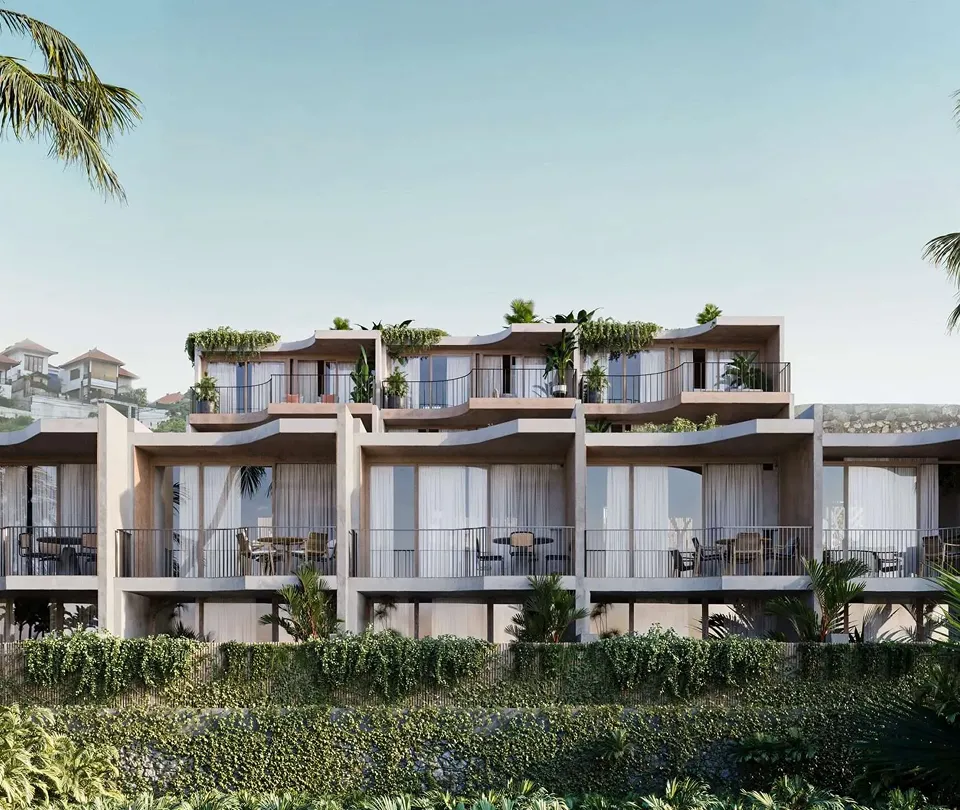
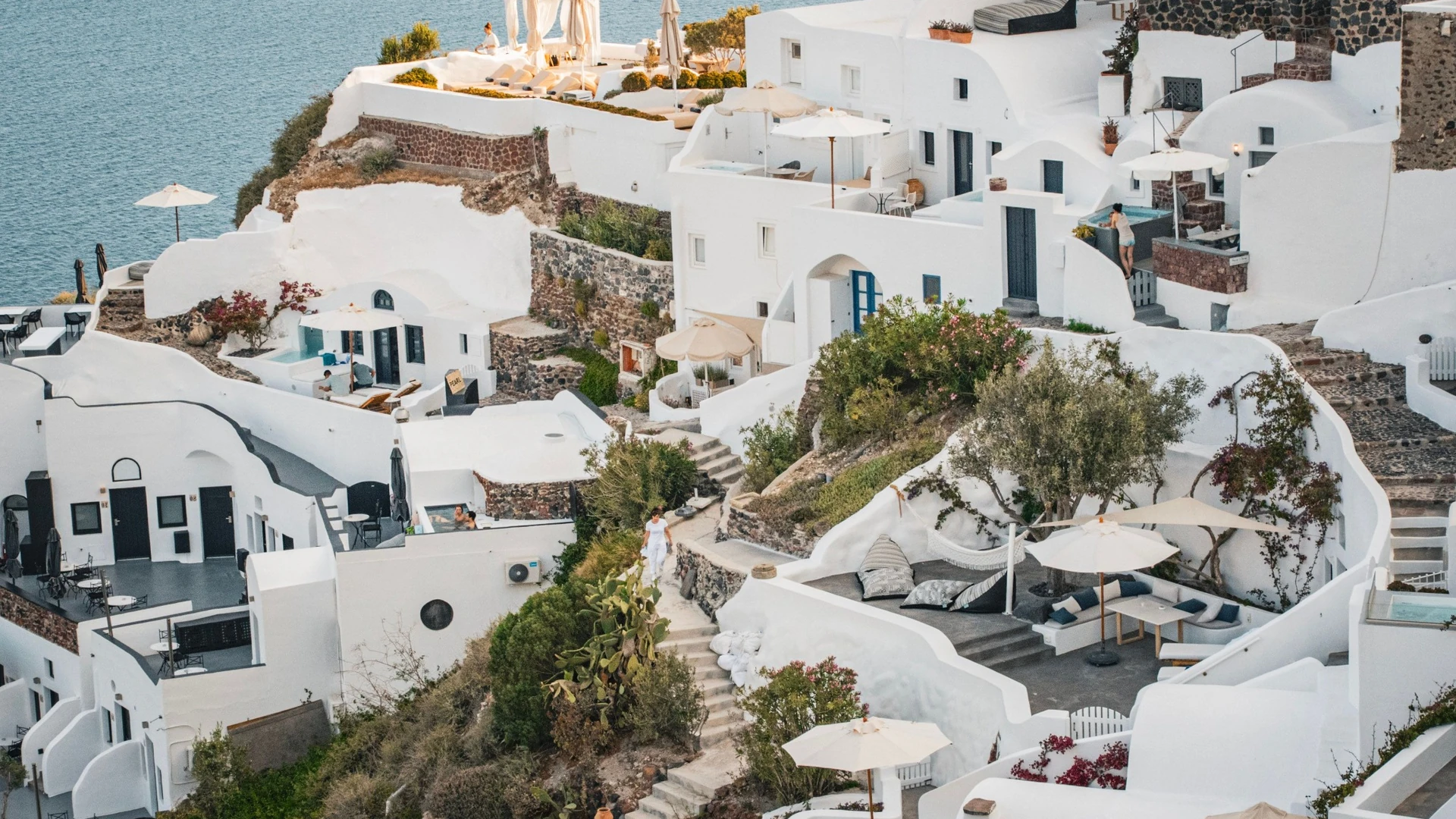
- Seamless indoor and outdoor spaces: Mediterranean architecture is known for blurring the lines between inside and outside, with features like balconies, patios, and courtyards extremely commonplace. This cohesive blend is perfect for entertaining guests or enjoying peaceful moments with breathtaking views.
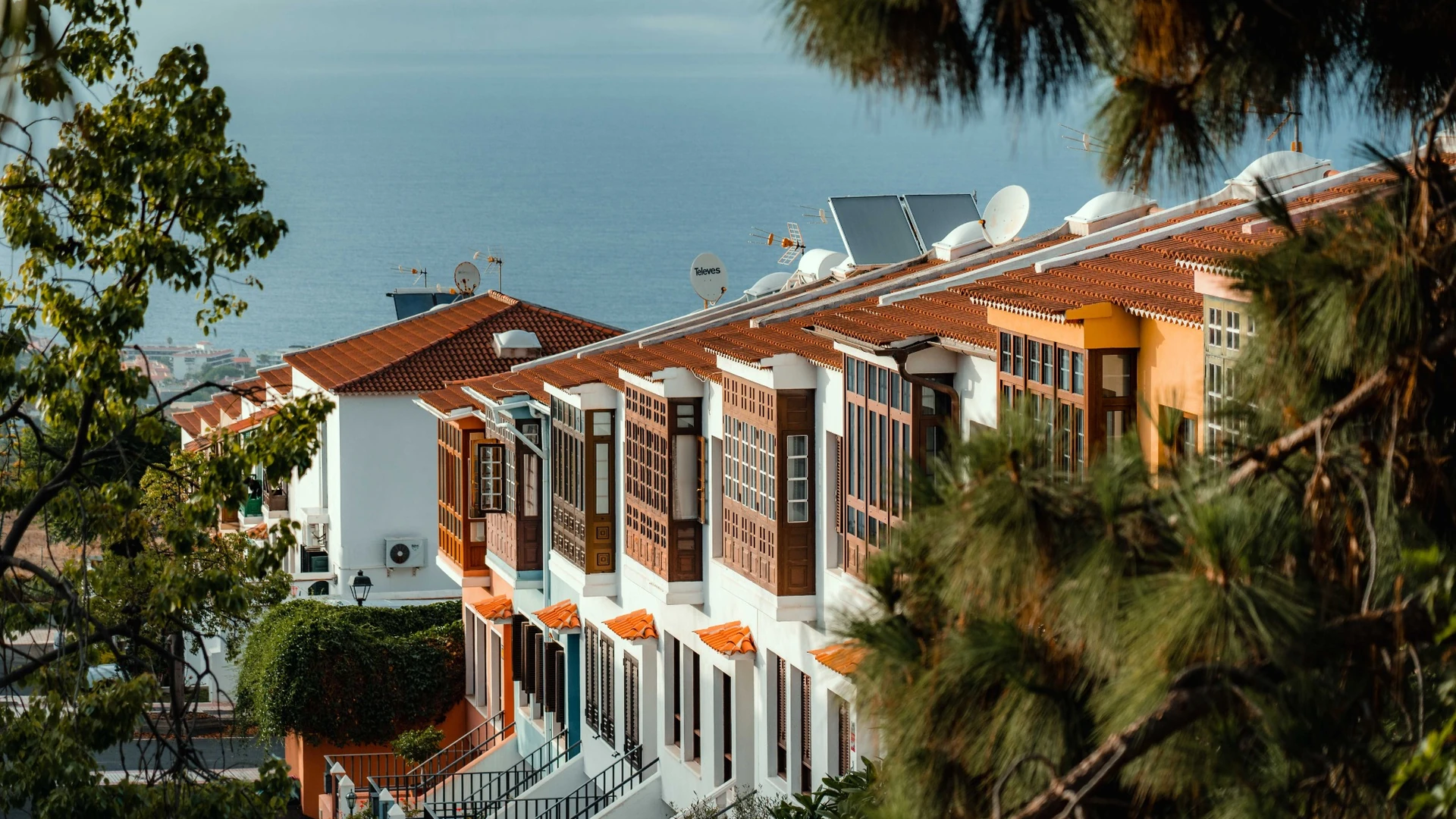
- Tiled roofs: Mediterranean homes can be immediately identified by their red roofs, which are mostly made with terracotta. These not only add authentic character but also provide excellent durability and natural insulation.
- Stucco walls: Used to construct the exterior walls of a house, stucco is known for its incredible temperature regulation abilities. This makes it especially important in the Mediterranean’s warmer climates. Our clients appreciate how these walls naturally keep homes cooler in summer and warmer in winter, reducing energy costs.
- Archways: Arches are a distinct feature of Mediterranean architecture and are commonly used across entrances or windows. They create elegant transitions between spaces and frame views in a way that rectangular openings simply cannot match.
- Natural materials: Mediterranean architecture is known for natural materials, like rustic wood, rattan furniture, and stone. These elements bring warmth and authenticity to your home while connecting it to the natural environment.
These qualities have been passed down through millennia of building innovations. Our team has mastered the art of bringing these timeless elements into contemporary designs, creating homes that feel luxurious and welcoming—spaces where you’ll make memories for generations to come.
Incredible Examples of Montenegro Architecture
Most tourists who visit Montenegro are taken aback by how gorgeous its medieval-era buildings are. From the UNESCO heritage city of Kotor to the charming alleyways of the old town of Budva, influences from various architectural styles are on full display. Some of the most iconic examples include:
- St. Tryphon’s Cathedral: A Romanesque Cathedral built in 1166, this is easily the most impressive building in the already stunning city of Kotor, Montenegro.
- Church of St John Vladimir: This gorgeous structure in the city of Bar was built in the Serbian-Byzantine style. Despite its grand appearance, it was only built in the last few decades.
- Savina Monastery: This first of these three churches is said to have been built as far back as the 11th century, and is considered a blend of Byzantine and Baroque styles.
- Drago Palace: The Drago mansion in Kotor dates back to the 14th and 15th centuries. It boasts distinctly Gothic windows, ornate ceilings, and stunning frescoes.
Though these are only some of the many iconic architectural marvels that the country is known for, they are solid examples of how different styles have been fused to shape Montenegro’s architecture.
Bring a Touch of Montenegro to Your Next Project
Incorporating Montenegro architecture into your home means embracing more than just a style—it’s choosing a way of life centered around beauty, comfort, and a unique connection to history. Whether you’re building a new luxury residence or renovating an existing property, these elements can create spaces that feel timeless and deeply personal.
Our clients consistently tell us how their Montenegro-inspired homes become conversation pieces, personal retreats, and sources of daily joy.
Ready to explore how Montenegro’s architectural heritage can inspire your dream home? Contact WHITEROCK today for a consultation. Our expert team will work closely with you to understand your vision, lifestyle, and preferences, creating a custom design that captures Montenegro’s timeless beauty while meeting your every need.